The Hyundai Avante, sold in most export markets as the Elantra, has been fully redesigned for the first time in six years, and the new eighth-generation car was shown at the Busan Mobility Show on 26 June 2026. Its 1.6-litre hybrid is an HEV, a full hybrid that cannot be plugged in: a 105 PS petrol engine and a 45 kW (61 PS) electric motor feed a six-speed dual-clutch gearbox for a system output of 157 PS (115 kW, about 155 hp), which is 16 PS more than the previous Avante Hybrid, according to Korean press reports. Hyundai's government-reported combined fuel economy is 21.2 km/L, about 4.7 L/100 km, on 17-inch wheels, with CO2 emissions of 72 g/km. Hyundai Korea opened contracts on 5 August 2026, and its price list, revised on 21 October 2026, shows the hybrid from KRW 29,420,000 for the Modern trim to KRW 35,990,000 for the Inspiration after the eco-friendly-car tax relief (KRW 30,420,000 to KRW 36,990,000 before it, including 10 percent VAT); the after-relief figure is Hyundai's approximate price and depends on the car meeting the eco-friendly-vehicle criteria. Overseas the same car is expected as the 2027 Elantra Hybrid, with the United States version still to be detailed.
Performance & Specs
Hyundai's Korean specification table splits the hybrid system into its parts. The Smartstream 1.6-litre petrol engine (1,580 cc) makes 105 PS at 5,700 rpm and 14.7 kgf·m (about 144 Nm) at 4,000 rpm, and the electric motor adds 45 kW (about 61 PS) and 203 Nm. Together they are rated at 157 PS, which is about 115 kW or 155 hp; several outlets print the number as 157 "hp", but Hyundai's table is in PS, the metric horsepower that is about 1.4 percent smaller than the imperial hp used here. Korean press material puts the combined system torque at 27.0 kgf·m, about 265 Nm, a figure that Hyundai's catalogue does not print. The gearbox is a six-speed dual-clutch automatic with paddle shifters on the Modern trim and above, and the car is front-wheel drive. Hyundai has not published a 0-100 km/h time or a top speed for the Avante Hybrid, so none is given here.
Efficiency is the point of this powertrain. Hyundai's catalogue lists a combined 21.2 km/L with 21.7 km/L in the city and 20.5 km/L on the highway for the 17-inch car, and 19.9 km/L combined with 18-inch wheels (CO2 78 g/km). The cars fitted with the optional built-in dashcam are rated slightly lower at 20.8 and 19.5 km/L. These are Korean government-reported standard-mode figures, not WLTP or EPA numbers, and they cannot be compared directly with the US EPA ratings of other hybrid sedans. Korean press says the 21.2 km/L figure is about 10.4 percent better than the 19.2 km/L of the 2026 Avante Hybrid on 17-inch wheels. As simple arithmetic rather than a Hyundai claim, 21.2 km/L from the 42-litre fuel tank would mean roughly 890 km on one fill. The hybrid-only functions include Smart Regenerative Braking 3.0 and a Stay Mode that runs the climate control and infotainment from the battery with the engine off, which Hyundai says needs a battery charge of at least 35 percent.

| Powertrain | HEV (full hybrid, not plug-in), FWD |
|---|---|
| Power | 157 PS (115 kW / 155 hp) system |
| Torque | 203 Nm motor; about 265 Nm system (press-reported) |
| 0–100 km/h | Not published |
| Battery | 1.49 kWh lithium-ion polymer |
| Fuel economy | 21.2 km/L Korean combined (17-inch) |
| POWERTRAIN TYPE | HEV (full hybrid, not plug-in), 1.6-litre petrol |
|---|---|
| HORSEPOWER | 157 PS system (115 kW / 155 hp): engine 105 PS, motor 45 kW |
| TORQUE | Engine 14.7 kgf·m (about 144 Nm); motor 203 Nm; system about 265 Nm (press-reported) |
| ACCELERATION | Not published |
| TOP SPEED | Not published |
| DRIVETRAIN | FWD, six-speed dual-clutch gearbox |
| BATTERY | 1.49 kWh lithium-ion polymer (hybrid battery, not plug-in) |
| FUEL ECONOMY | 21.2 km/L (17-inch) / 19.9 km/L (18-inch), Korean government-reported combined |
| CO2 | 72 g/km (17-inch) / 78 g/km (18-inch) |
Dimensions & Practicality

| Length | 4,765 mm |
|---|---|
| Width | 1,855 mm |
| Height | 1,430 mm |
| Wheelbase | 2,750 mm |
| Boot | 467 L (VDA) |
The Avante Hybrid is a compact four-door sedan 4,765 mm long, 1,855 mm wide and 1,430 mm high on a 2,750 mm wheelbase; the petrol 2.0 car is 5 mm lower at 1,425 mm. The hybrid's boot holds 467 litres by the VDA method, 12 litres less than the 479 litres of the petrol car because the hybrid hardware takes some space. Kerb weight is 1,460 kg with 17-inch wheels and 1,490 kg with 18-inch wheels, against 1,350 to 1,400 kg for the petrol Avante. The fuel tank holds 42 litres. Hyundai's design language for the car is called Art of Steel, and the press images show a split headlamp layout with a slim light bar across the nose, lift-up door handles and a rear light signature in the shape of a horizontal H.
| LENGTH | 4,765 mm |
|---|---|
| WIDTH | 1,855 mm |
| HEIGHT | 1,430 mm (hybrid) |
| WHEELBASE | 2,750 mm |
| CARGO VOLUME | 467 L (VDA, hybrid) |
| KERB WEIGHT | 1,460 kg (17-inch) / 1,490 kg (18-inch) |
| FUEL TANK | 42 L |
Charging & Battery
The Avante Hybrid is a self-charging HEV with no charging port. Its 1.49 kWh lithium-ion polymer battery is topped up by the engine and by regenerative braking, so there is no AC or DC charging speed to quote and no electric-only range figure. Hyundai covers the electric motor, the high-voltage battery and the hybrid power control unit with a separate warranty of 10 years or 200,000 km, whichever comes first, on top of the normal vehicle warranty. Stay Mode uses the battery to run climate control, infotainment and phone charging while the car is stationary, but it is disabled below a 35 percent state of charge, with a fuel-low warning or when the car is not in park. Anyone looking for a plug-in version of the new Avante will not find one in Hyundai's Korean price list, which offers only the 2.0 petrol and the 1.6 hybrid.
| BATTERY | 1.49 kWh lithium-ion polymer (HEV, not plug-in) |
|---|---|
| AC CHARGING | None (cannot be plugged in) |
| DC FAST CHARGING | None |
| HYBRID WARRANTY | 10 years / 200,000 km (motor, high-voltage battery, hybrid controller) |
Design & Interior
The eighth-generation Avante abandons the previous car's soft lines for a sharply creased body that Hyundai calls Art of Steel, with flat panels, strong wheel arches and an extra small window behind the rear doors. The front carries a slim full-width light bar and angular lower intakes, while the rear has a flat tailgate with the Avante name in the centre and vertical light edges at the corners. The wheels are 17 inches as standard and 18 inches as a KRW 500,000 option on the Inspiration. Inside, the catalogue photo shows a horizontal dashboard with a large central touchscreen, a slim driver display above the two-spoke steering wheel and an ambient light strip that wraps into the doors. The centre console is a bridge-style unit trimmed in beige leather in the pictured Inspiration car, and the Inspiration trim adds natural leather seats, an electronic shift lever and a black-trimmed exterior package.
Specification rises clearly through the three trims. The Modern has 17-inch alloy wheels, a 12.9-inch Pleos Connect screen and a six-speaker audio system, with the 9.9-inch slim display as a KRW 350,000 option. The Premium adds navigation, the Gleo AI assistant, navigation-based Smart Cruise Control 2 and Highway Driving Assist as standard, together with synthetic-leather seats that are heated and ventilated at the front and acoustic windscreen glass, and offers the 14.6-inch screen with the 9.9-inch display as a KRW 830,000 option. The Inspiration makes the 14.6-inch screen and slim display standard, along with an 8-way power driver's seat with memory, heated rear seats and a rear armrest. A 12-speaker Bang & Olufsen audio system is a KRW 1,100,000 option on the top trim.
Technology & Features
The new Avante is built around Hyundai's Pleos Connect infotainment system, which runs on an Android Automotive-based platform with an app market, wireless Android Auto and Apple CarPlay, and receives over-the-air updates. The Gleo AI assistant, based on a large language model, handles navigation, climate and vehicle functions by voice and is part of the navigation packages. Digital Key 2, 100 W USB-C ports in both seat rows and wireless phone charging are bundled into the Platinum option packages, while a built-in dashcam with an auxiliary battery is a separate option. The hybrid also gets Smart Regenerative Braking 3.0 and an e-Ride function in which the motor damps body movement over speed bumps, according to Hyundai's catalogue. Hyundai gives the driver a choice of 12.9-inch and 14.6-inch central screens, each paired with the same 9.9-inch driver display on the higher trims.
Safety & ADAS
Every Avante Hybrid has 10 airbags, including a new driver knee airbag, plus Smart Cruise Control with Stop & Go, forward collision-avoidance assist covering cars, pedestrians and cyclists, lane keeping assist 2, blind-spot warning and rear cross-traffic collision-avoidance assist. The SmartSense packages add navigation-based Smart Cruise Control 2, Highway Driving Assist 2, extended collision-avoidance assist for crossing and oncoming vehicles, and rear-side collision-avoidance assist while driving. Hyundai also lists pedal misapplication assist, rear-occupant alert and a safe exit warning as standard. The Parking Assist packages add a surround-view monitor, and Parking Assist II adds Remote Smart Parking Assist and Memory Reverse Assist. Hyundai describes these as driver-assistance functions, and no Euro NCAP or Korean crash-test rating for the new car had been published at the time of writing.
| ADAS LEVEL | Level 2 driver assistance (Hyundai SmartSense; level not stated by Hyundai) |
|---|---|
| ADAS FEATURES | Smart Cruise Control with Stop & Go, forward collision-avoidance assist, lane keeping assist 2, blind-spot and rear cross-traffic assist, highway driving assist 2 (package), surround-view monitor (package), 10 airbags |
Available Versions
| VERSION | POWER | TORQUE | 0-100 | TOP SPEED | DRIVETRAIN | BATTERY | EV RANGE | COMBINED RANGE | PRICE | KEY DIFFERENCES |
|---|---|---|---|---|---|---|---|---|---|---|
| Modern | 155 hp | 265 Nm | — | — | FWD | 1.49 kWh | — | — | KRW 29,420,000 after relief (~$21,900); KRW 30,420,000 before | 157 PS system, 17-inch wheels, 12.9-inch screen, 6 speakers |
| Premium | 155 hp | 265 Nm | — | — | FWD | 1.49 kWh | — | — | KRW 32,610,000 after relief (~$24,300); KRW 33,610,000 before | Heated and ventilated front seats, acoustic windscreen; 14.6-inch screen optional |
| Inspiration | 155 hp | 265 Nm | — | — | FWD | 1.49 kWh | — | — | KRW 35,990,000 after relief (~$26,800); KRW 36,990,000 before | 14.6-inch screen, natural leather, power seats; 18-inch wheels optional (19.9 km/L) |
Pricing & Availability
Hyundai Korea's price list for the hybrid, which opened for contracts on 5 August 2026 and was revised on 21 October 2026, shows the 1.6 hybrid at KRW 29,420,000 for Modern, KRW 32,610,000 for Premium and KRW 35,990,000 for Inspiration after the eco-friendly-car tax relief. Before the relief the prices are KRW 30,420,000, KRW 33,610,000 and KRW 36,990,000, including 10 percent VAT (the Modern's supply value is KRW 27,654,545 plus KRW 2,765,455 of VAT). Hyundai calls the after-relief figure an approximate price that assumes the car meets the criteria of the eco-friendly vehicle law, so it can change, and it has not yet published a delivery date for the hybrid. Korean press reports that the individual consumption tax rate returned from 3.5 to 5 percent on 1 July 2026. At the ECB reference rate of 28 October 2026 (USD 1 = KRW 1,340.47), the three after-relief prices are about $21,900, $24,300 and $26,800. The petrol 2.0 Avante, whose deliveries start first, in the third quarter, costs KRW 23,980,000 to KRW 31,520,000, so the Modern hybrid costs KRW 5,440,000 more than the Modern petrol car after relief (KRW 6,440,000 before relief) and is rated 21.2 against 14.3 km/L.
Outside Korea, press reports say global markets will receive the Elantra in 2027. KBB reports that the 2027 Elantra Hybrid for North America will have an output of roughly 155 hp and will reach US showrooms in 2027, with US prices and fuel economy still to come. In Israel, importer Kalmobil sells the current-generation Elantra Hybrid, and the eighth-generation car has not been announced there as of October 2026.
How It Compares
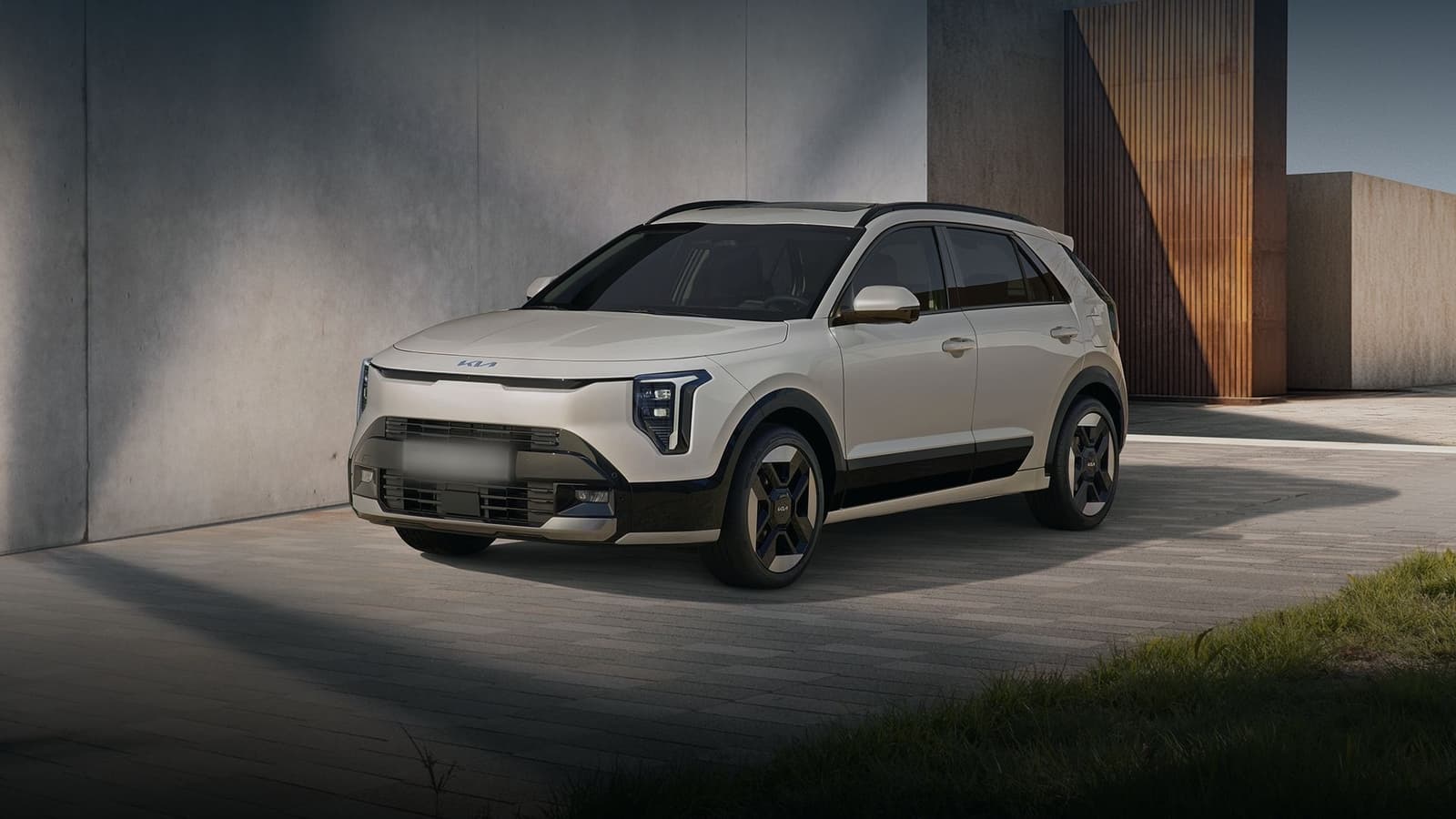
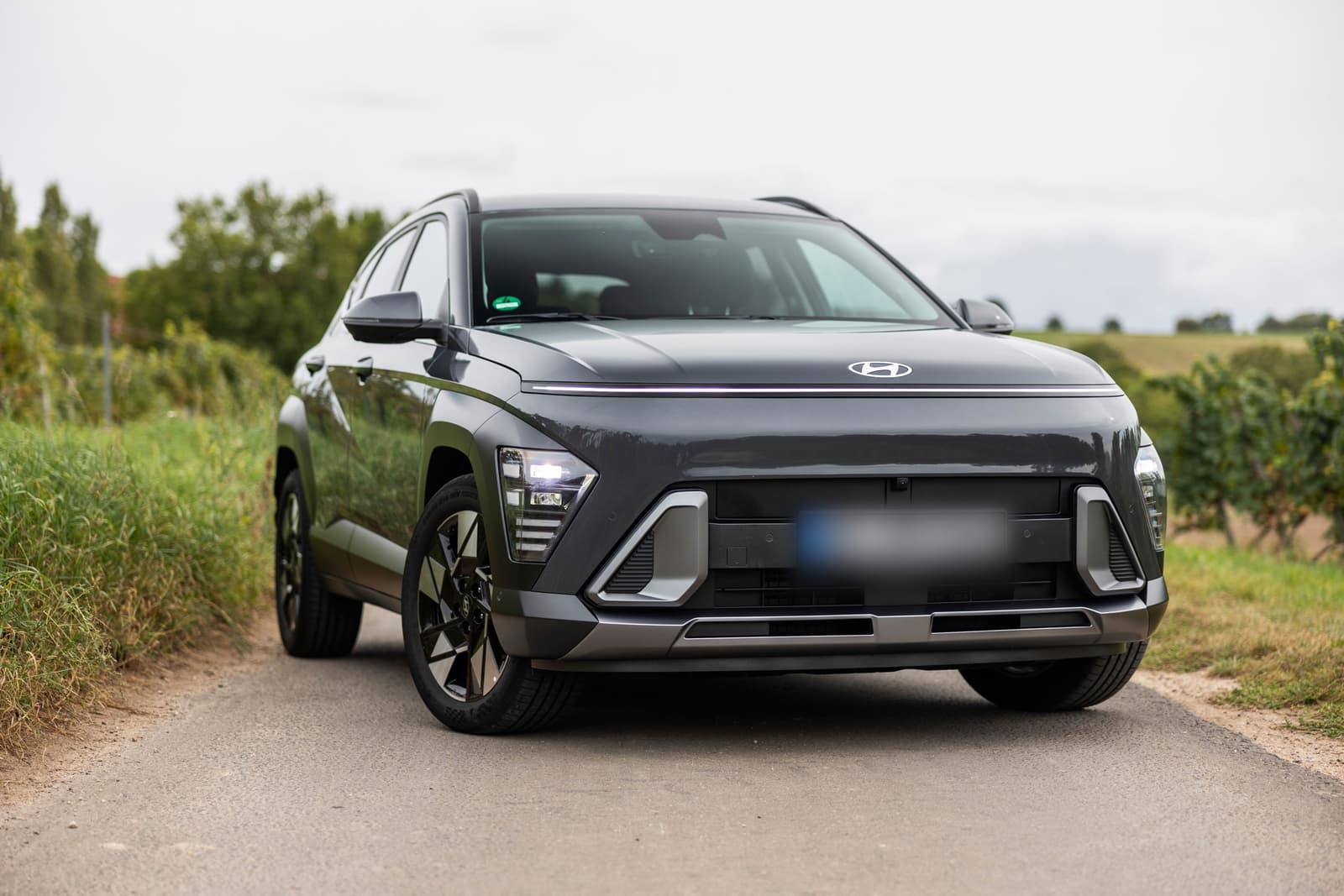
The closest sibling is the 2027 Sonata Hybrid, which Hyundai also sells in Korea: its 195 PS (192 hp) system is 38 PS stronger than the Avante's 157 PS, and its list starts at KRW 33,280,000 after tax relief, which is KRW 3,860,000 above the Avante Modern's KRW 29,420,000 like-for-like after relief (the gap is the same before relief, KRW 34,280,000 against KRW 30,420,000). The Kona Hybrid is a crossover with 138 PS (136 hp), a 4.6 L/100 km rating and a German price of EUR 33,450, so it is a different body style and market and is shown only as a Hyundai-family reference. The Kia Niro Hybrid starts at KRW 29,270,000 in Korea after tax relief (Kia Korea's price list of 1 October 2026), KRW 150,000 below the Avante Modern, but it is a taller crossover, and its card shows the Korean numbers: 141 PS (139 hp) and up to 20.2 km/L on 16-inch wheels, according to Kia Korea's 10 March 2026 release. Cycles and tax bases differ between these cars, so the cards compare power and price levels rather than a like-for-like efficiency contest.
- Korean combined fuel economy of 21.2 km/L (about 4.7 L/100 km) and 72 g/km CO2 on 17-inch wheels
- 157 PS (155 hp) system output, 16 PS more than the previous Avante Hybrid, with a 467 L boot (VDA) even with the hybrid battery fitted, on a 2,750 mm wheelbase
- Full equipment list with 10 airbags, Pleos Connect with OTA updates and a 10-year / 200,000 km hybrid-component warranty
- The hybrid costs KRW 5,440,000 more than the equivalent Modern petrol car after tax relief (KRW 6,440,000 before it), and Hyundai has not yet announced a delivery date
- Hyundai has not published a 0-100 km/h time or top speed, no crash-test rating was found, and the 1.49 kWh battery gives no electric-only range
The new Avante Hybrid is a conventional, no-plug full hybrid that does its job well on paper: 157 PS, 21.2 km/L and a long list of standard safety and connectivity equipment from KRW 29,420,000 after tax relief. It is a sensible commuter and family sedan for buyers who want low fuel bills without charging, and the top Inspiration trim is where the technology is. The weak points are the premium over the petrol car and the unanswered questions about the delivery date, performance figures and export specification. We recommend the Modern or Premium trim on 17-inch wheels, which is where the 21.2 km/L figure applies.