The Hyundai Sonata Hybrid is a mid-size sedan with a 2.0-litre petrol engine, a 38.6 kW electric motor and a small lithium-ion polymer battery of about 1.6 kWh, driving the front wheels through a six-speed automatic. It is a full hybrid (HEV), not a plug-in, so there is no charging port and no electric-only range to quote, and Hyundai Korea gives a system output of 195 PS, which is 143 kW or about 192 hp. For model year 2027 the car is sold in South Korea as the Sonata The Edge Hybrid, which Hyundai Korea launched on 29 September 2025 with a new S trim and updated on 7 October 2026 for model year 2027 with a new Black N Line trim, and the same powertrain is sold as the Sonata Hybrid in the United States and Israel. Hyundai Korea's price list starts it at KRW 33,280,000 for the Premium after eco-car tax relief, and the Korean combined fuel economy is 19.4 km/L with the 16-inch wheels, which is about 5.2 L/100 km. In the United States the EPA rates the Blue trim at 51 mpg combined, and in Israel the importer Kalmobil lists the car from NIS 219,990. This article keeps every price, fuel figure and trim tied to its own market.
Performance & Specs
Hyundai Korea describes the hybrid as a Smartstream G2.0 GDi engine of 1,999 cc with a hybrid system made up of a drive motor, a power-control unit and regenerative braking. The petrol engine makes 152 PS (112 kW, about 150 hp) and 19.2 kgf.m, which is roughly 188 Nm, at 5,000 rpm. The electric motor makes 38.6 kW (52.5 PS, about 52 hp) and 20.9 kgf.m, roughly 205 Nm. Together they give a system output of 195 PS, which is 143 kW or about 192 hp, and the six-speed automatic sends it to the front wheels only. PS is the metric horsepower and is about 1.4 percent smaller than the imperial hp, so 195 PS converts to 192 hp, and Israeli listings that print "192 hp" are quoting that same figure in hp.
The same system is sold in the United States, where price-guide sites such as Cars.com give the 2026 Sonata Hybrid 192 hp from a 2.0-litre engine, and in Israel, where price-list sites give 192 hp from a 1,999 cc petrol engine and an electric motor. Hyundai does not publish a 0 to 100 km/h time or a top speed for the Sonata Hybrid in the Korean price list, so the article leaves both out and does not quote reviewer stopwatch figures. The curb weight is 1,550 kg with 16-inch wheels, 1,565 kg with 17-inch wheels, 1,585 kg with 18-inch wheels and 1,605 kg with the 19-inch wheels of the Black N Line, according to Hyundai Korea's 2027 specification sheet. The hybrid is front-wheel drive only: the all-wheel-drive option sold on the petrol Sonata in some markets is not offered on the hybrid.

| Powertrain | Full hybrid (HEV), not plug-in |
|---|---|
| Power | 143 kW (195 PS / 192 hp) system |
| Torque | Engine 188 Nm, motor 205 Nm (no system figure published) |
| 0–100 km/h | Not published |
| Battery | About 1.6 kWh lithium-ion polymer (not rechargeable from a socket) |
| Fuel economy | 19.4 km/L Korean combined, 16-inch wheels (about 5.2 L/100 km) |
| POWERTRAIN TYPE | Full hybrid (HEV), 2.0 petrol plus electric motor, not plug-in |
|---|---|
| HORSEPOWER | 143 kW (195 PS / 192 hp) system; petrol engine 112 kW (152 PS), motor 38.6 kW (52.5 PS) |
| TORQUE | Engine 188 Nm (19.2 kgf.m), motor 205 Nm (20.9 kgf.m); no system figure published |
| ACCELERATION | Not published by Hyundai |
| TOP SPEED | Not published by Hyundai |
| DRIVETRAIN | Front-wheel drive, six-speed automatic |
| BATTERY | About 1.6 kWh lithium-ion polymer, charged by the engine and braking |
| FUEL ECONOMY | Korea 19.4 km/L combined (16-inch), 17.8 km/L (17-inch), 17.1 km/L (18-inch); US EPA 51 mpg (Blue), 47 mpg (SEL, Limited) |
Dimensions & Practicality

| Length | 4,910 mm |
|---|---|
| Width | 1,860 mm |
| Height | 1,445 mm |
| Wheelbase | 2,840 mm |
| Fuel tank | About 50 L |
The Sonata is a large mid-size sedan: the Korean specification is 4,910 mm long, 1,860 mm wide and 1,445 mm tall on a 2,840 mm wheelbase, and the Israeli importer gives the same 4.91 m length and 2.84 m wheelbase, with 1.17 m of front legroom and 1.47 m of shoulder room. The long wheelbase gives rear passengers room that is closer to a class above, and the rear seat folds 60/40 on the Inspiration in Korea. The fuel tank holds about 50 litres in the Korean specification, which on the 19.4 km/L combined figure is a theoretical 970 km between fill-ups, and the US figure is about 13 gallons (49 litres).
The Korean specification sheet lists a 480-litre boot (VDA) for the hybrid, the same as for the 2.0 petrol car, the Israeli importer also gives 480 litres, and the US specification lists 16 cubic feet, about 453 litres. The US curb weight for the Blue is 3,439 lb, or about 1,560 kg, which fits the Korean 1,550 to 1,605 kg range. Korean trims add a smart power boot lid from the Exclusive, and the Israeli Luxury lists a panoramic sunroof and electric rear-window sunshades.
| LENGTH | 4,910 mm |
|---|---|
| WIDTH | 1,860 mm |
| HEIGHT | 1,445 mm |
| WHEELBASE | 2,840 mm |
| CARGO VOLUME | 480 L (VDA, Korea and Israel); about 453 L (16 cu ft), US specification |
| CURB WEIGHT | 1,550-1,605 kg (Korea, by wheel size); about 1,560 kg (US Blue) |
| FUEL TANK | About 50 L (Korea); about 13 gal (US) |
Charging & Battery
There is nothing to plug in. The hybrid battery is a lithium-ion polymer pack of about 1.6 kWh, which is roughly a fiftieth of the capacity of a typical electric car, and it is charged by the petrol engine and by regenerative braking. Hyundai Korea does not publish the capacity, so the figure of about 1.6 kWh is a third-party estimate (KBB lists 1.6 kWh for the 2026 US car) and should be read as approximate. Hyundai Korea does call the system a hybrid with its own e-Motion Drive modes, an electronic shift column and a hybrid-only six-speed gearbox, but it publishes no electric-only range, so we give none.
Fuel economy is the point of the system, and it falls as the wheels grow. Hyundai Korea's government-registered figures are 19.4 km/L combined (19.8 city, 18.9 highway) with 16-inch wheels, 17.8 km/L with 17-inch wheels, 17.1 km/L with 18-inch wheels and 16.2 km/L with the 19-inch wheels of the Black N Line, which are about 5.2, 5.6, 5.8 and 6.2 L/100 km, and CO2 of 81, 89, 93 and 99 g/km. A 16-inch car with the built-in camera is rated 18.8 km/L. In the United States the EPA rates the Blue at 47 mpg city, 56 highway and 51 combined, which is about 4.6 L/100 km, and the SEL and Limited at 44, 51 and 47 combined, about 5.0 L/100 km. The Israeli importer lists a combined consumption of 5 L/100 km for both trims, rounded to a whole number. These cycles differ, so the Korean, US and Israeli figures should not be compared directly.
| BATTERY | About 1.6 kWh lithium-ion polymer (not plug-in) |
|---|---|
| CHARGING | None; charged by engine and regenerative braking |
| FUEL TANK | About 50 L (Korea) |
| KOREA FUEL ECONOMY | 19.4 / 17.8 / 17.1 km/L combined (16 / 17 / 18-inch wheels) |
| US EPA | 51 mpg combined (Blue), 47 mpg combined (SEL, Limited) |
| CO2 (KOREA) | 81 / 89 / 93 g/km (16 / 17 / 18-inch wheels) |
Design & Interior
The Sonata The Edge is a facelift of the eighth-generation Sonata, and it carries a thin horizontal light bar across the nose that runs into the headlamps, which Hyundai calls the Seamless Horizon lamp, above a wide lower intake. At the back a full-width red light strip sits above the Sonata lettering, and the roof slopes in a long curve to a short boot lid. The Korean hybrid rides on 16-inch alloy wheels in the Premium and S, 17-inch wheels in the Exclusive and 18-inch Pirelli-shod wheels in the Inspiration and 19-inch matt black Pirelli-shod wheels in the Black N Line. Hyundai Korea offers eight colours including two matte finishes, Aero Silver Matte and Nocturne Grey Matte, which cost KRW 300,000 extra, and Serenity White Pearl, which costs KRW 100,000 extra.
Inside there is a panoramic curved display that joins a 12.3-inch driver cluster and a 12.3-inch navigation screen under one glass cover, above a physical row of climate controls and a strip of ambient lighting. The Korean Premium has a smaller 4.2-inch cluster and a 12.3-inch audio display, and the S adds the 12.3-inch cluster, ventilated front seats, a passenger relaxation seat and a driver-side climate link. The Exclusive adds genuine leather, a driver memory seat, wireless phone charging and the surround-view monitor, and the Inspiration adds Nappa leather, a head-up display, heated rear seats and a fingerprint-reader for starting and paying. Hyundai Korea also sells display themes through the Bluelink store, including a Sonata 40th anniversary theme.
Technology & Features
The Korean hybrid has over-the-air software updates, Bluelink connected services with five years free from first registration, phone projection for Apple CarPlay and Android Auto, a smart key with remote start and a 12.3-inch navigation system with in-car payment. A Bose premium audio system with 12 speakers is offered on the Inspiration, and a built-in camera with parking recording is an option. The Israeli Luxury has a 12.3-inch multimedia system, a steering-column gear selector, a panoramic sunroof and heated front seats, and the Limited adds a head-up display, memory seat, ventilated front seats, a wireless charger and two USB-C ports. These feature lists are specific to each market, so check the local price list before comparing trims across countries.
Safety & ADAS
Hyundai Korea fits nine airbags as standard, including a driver knee airbag, front and rear side airbags and rollover curtains, together with forward collision avoidance that covers vehicles, pedestrians, cyclists and junction traffic, lane-keeping assist and lane-departure assist, a driver attention warning, high-beam assist, smart cruise control with stop-and-go and intelligent speed-limit assist. The S trim adds highway driving assist, blind-spot collision warning and avoidance, rear cross-traffic collision avoidance and safe-exit assist, and the Exclusive adds rear parking collision avoidance, remote smart parking assist and a surround-view monitor. The Israeli Luxury lists autonomous emergency braking with pedestrian, vehicle, two-wheeler and cross-traffic detection, blind-spot collision avoidance, rear cross-traffic avoidance, smart cruise control and safe-exit assist, and the Limited adds parking collision avoidance and a blind-view camera in the cluster. Hyundai does not state an SAE automation level for these systems, which are driver-supervised.
| ADAS LEVEL | Driver-supervised assistance (no SAE level stated by Hyundai) |
|---|---|
| ADAS FEATURES | Forward collision avoidance, lane-keeping, smart cruise control with stop-and-go, high-beam assist and intelligent speed-limit assist standard in Korea; highway driving assist, blind-spot collision avoidance, rear cross-traffic avoidance and safe-exit assist from the S; surround-view monitor and remote smart parking from the Exclusive; nine airbags |
Available Versions
| VERSION | POWER | TORQUE | 0-100 | TOP SPEED | DRIVETRAIN | BATTERY | EV RANGE | COMBINED RANGE | PRICE | KEY DIFFERENCES |
|---|---|---|---|---|---|---|---|---|---|---|
| Premium | 192 hp | 188 Nm | — | — | FWD | about 1.6 kWh | — | — | KRW 33,280,000 | 16-inch wheels, 4.2-inch cluster, 12.3-inch audio display; Korea |
| S | 192 hp | 188 Nm | — | — | FWD | about 1.6 kWh | — | — | KRW 34,500,000 | 12.3-inch cluster and navigation, highway driving assist, ventilated front seats, passenger relaxation seat |
| Exclusive | 192 hp | 188 Nm | — | — | FWD | about 1.6 kWh | — | — | KRW 37,420,000 | 17-inch wheels, leather seats, surround-view monitor, wireless charging, remote parking |
| Inspiration | 192 hp | 188 Nm | — | — | FWD | about 1.6 kWh | — | — | KRW 40,520,000 | 18-inch wheels, Nappa leather, head-up display, digital key, heated rear seats |
| Black N Line | 192 hp | 188 Nm | — | — | FWD | about 1.6 kWh | — | — | KRW 41,120,000 | Inspiration equipment with black exterior, N Line styling and 19-inch matt black wheels |
Pricing & Availability
These are the Korean prices from Hyundai Korea's price list for the 2027 Sonata The Edge Hybrid, which give the price after Korea's eco-friendly car tax relief, on the condition that the buyer qualifies for it. The Premium costs KRW 33,280,000, the S KRW 34,500,000, the Exclusive KRW 37,420,000, the Inspiration KRW 40,520,000 and the Black N Line KRW 41,120,000, and the same list shows KRW 34,280,000 for the Premium before the tax relief. The 2027 list, in force since 7 October 2026, is KRW 100,000 to 300,000 above the 2026 list. At the ECB reference rate of 28 October 2026 (USD 1 = KRW 1,340.47) that is about USD 24,800 for the Premium and USD 30,200 for the Inspiration. Hyundai Korea sells the 2027 Sonata The Edge with 2.0 and 1.6 turbo petrol engines alongside the hybrid, and the hybrid also comes as the Black N Line, an Inspiration-based trim with a black exterior, N Line styling and 19-inch matt black wheels, at KRW 41,120,000.
In Israel the importer Kalmobil lists the Sonata Hybrid in two trims on its own site: the Luxury at NIS 219,990 and the Limited at NIS 234,990, plus a NIS 2,722 registration fee, which comes to NIS 222,712 and NIS 237,712. At the ECB rate of 28 October 2026 (USD 1 = NIS 3.1259) that is about USD 71,200 and USD 76,000, and Israeli prices carry local car taxes, so they are not comparable with the Korean price. Israeli dealers and comparison sites advertise discounts from these list prices, which we did not verify. The Sonata Hybrid is also sold in the United States, where we could not read Hyundai Motor America's own price page, so US pricing is not stated here.
We found no Sonata Hybrid on sale in Europe, and Hyundai's mid-size hybrid sedan is not confirmed for any European market as of October 2026. Hyundai also sells the Kona Hybrid and other hybrids in the same showrooms in some of these markets, which are covered separately on this site.
How It Compares
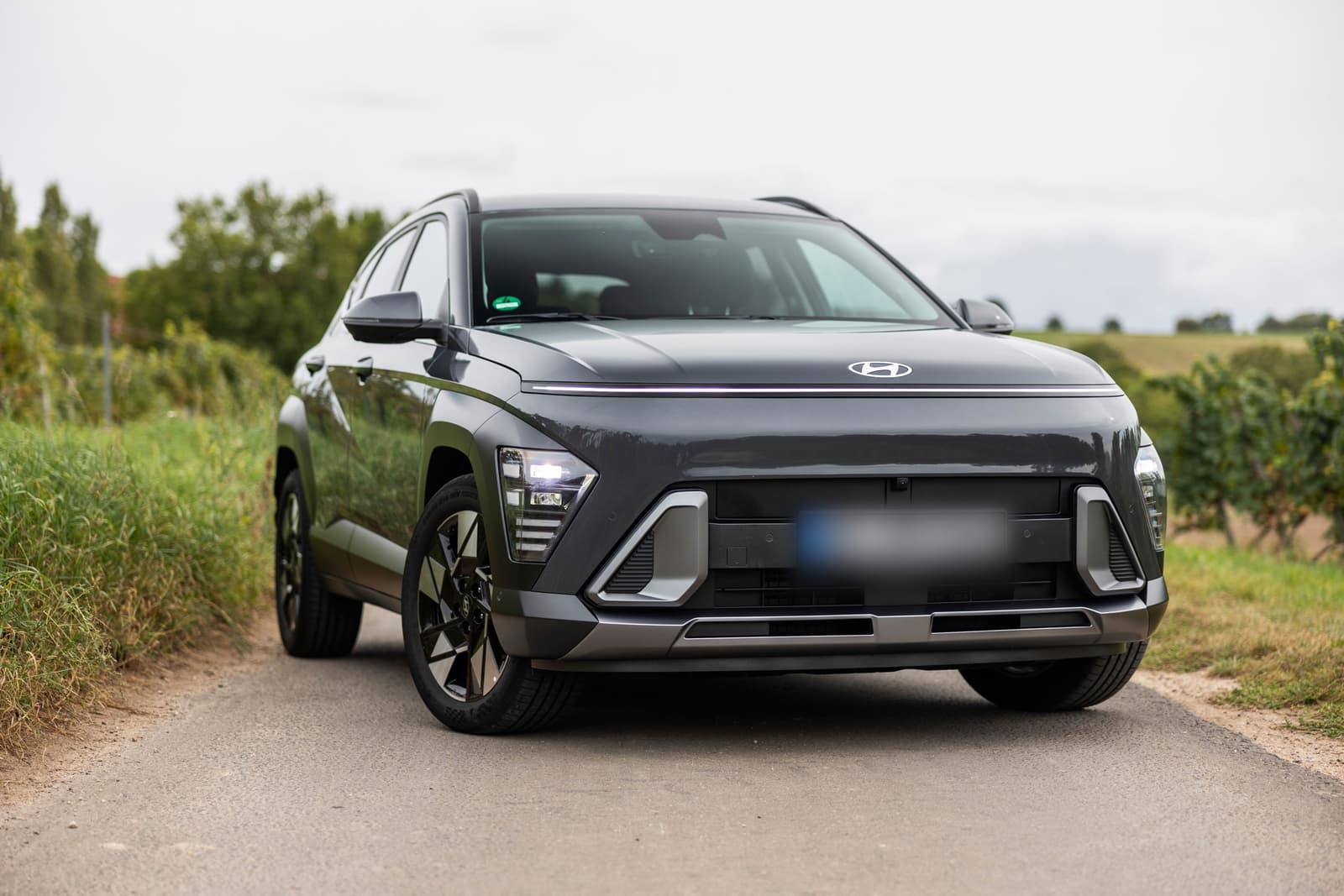
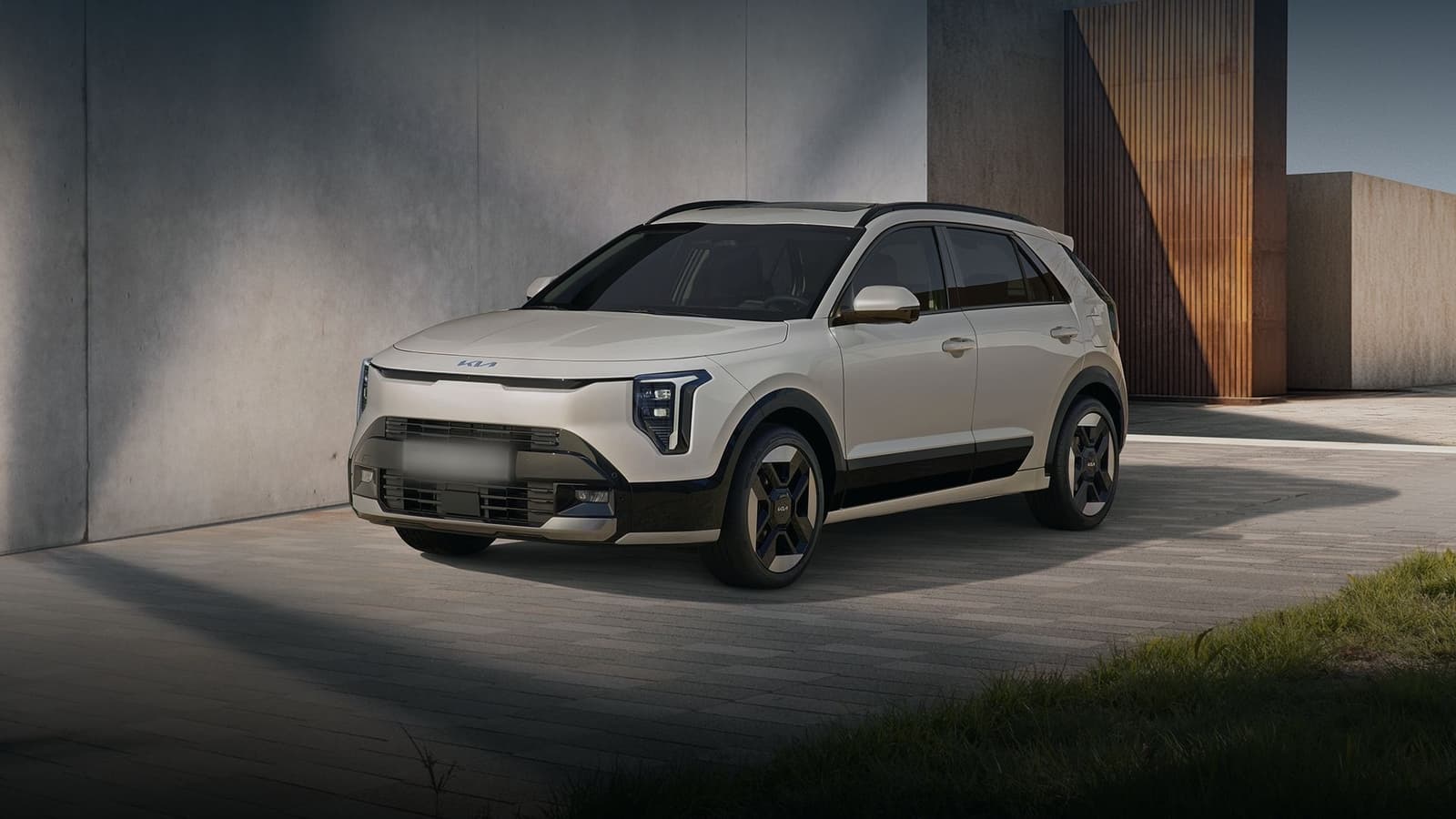
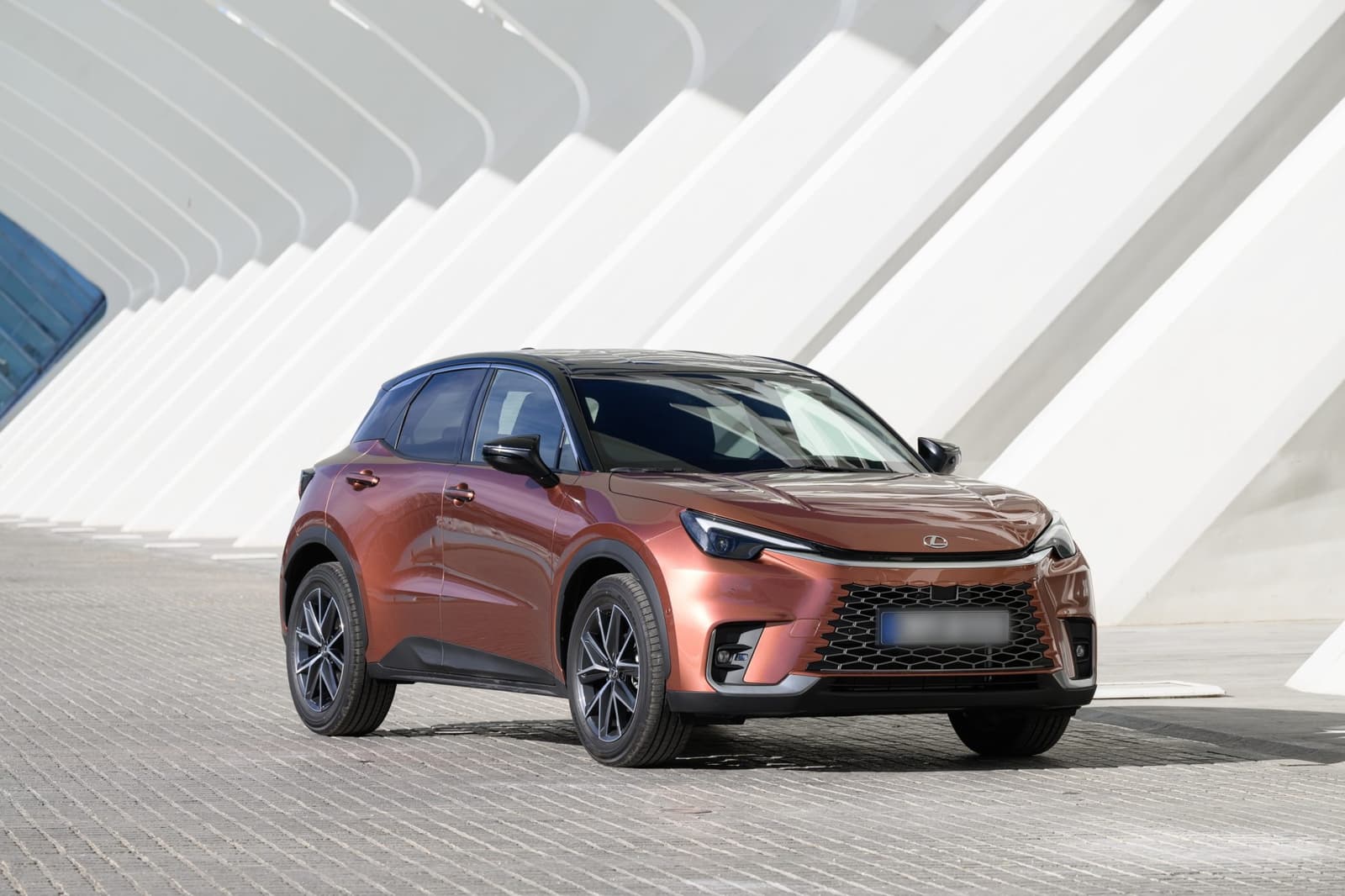
The cards use the Israeli market because all three cars have a list price in the same currency there, and the fuel figures come from different cycles, so they are indicative. The Sonata Hybrid is a full-size sedan with 192 hp, about 56 hp more than the Kona Hybrid Pure, but it costs NIS 40,000 more, and the Kona is a small crossover with 4.7 L/100 km on the Israeli figure against the Sonata's rounded 5. The Honda ZR-V e:HEV is a compact crossover with 181 hp and a WLTP figure of 5.7 to 5.8 L/100 km, and at NIS 209,900 it undercuts the Sonata Luxury by NIS 10,090 while giving about 11 hp less. The Sonata's case rests on size, equipment and a long wheelbase, not on the lowest fuel figure, and shoppers who want an SUV body will look at the other two.
- Efficient full hybrid: 19.4 km/L combined and 81 g/km CO2 in Korea, 51 mpg combined for the US Blue trim, with no charging needed
- Large cabin and a 2,840 mm wheelbase, with a panoramic curved display and nine airbags as standard in Korea
- Starts at KRW 33,280,000 in Korea with 192 hp (195 PS) and a smooth six-speed automatic
- Hyundai publishes no 0 to 100 km/h time, top speed or system torque, and the power-to-weight ratio is only moderate at about 192 hp for 1,550 kg
- Front-wheel drive only and fuel economy falls to 17.1 km/L on the 18-inch wheels, and Israeli list prices of NIS 219,990 and up are far above the Korean price
The Sonata Hybrid is a quiet, roomy and efficient mid-size sedan for buyers who want low fuel bills without a charger. Its 19.4 km/L Korean combined figure and 51 mpg US figure for the Blue are competitive, and the Korean Premium at KRW 33,280,000 already has a 12.3-inch screen and nine airbags. The trade-off is performance that Hyundai does not quantify and a price that climbs steeply in Israel. Choose it for commuting and long highway runs, and pick the S in Korea if you want the larger cluster and highway driving assist.